Trees · photographed 21 September

Who's who in the canopy

A small park with big trees: gums, figs and an old tea-tree, with a new shrub layer going in underneath. The plan is a map with a pin per tree, its species confirmed from bark and leaf, and which birds use it. Until then, the residents as we see them.

The big ones
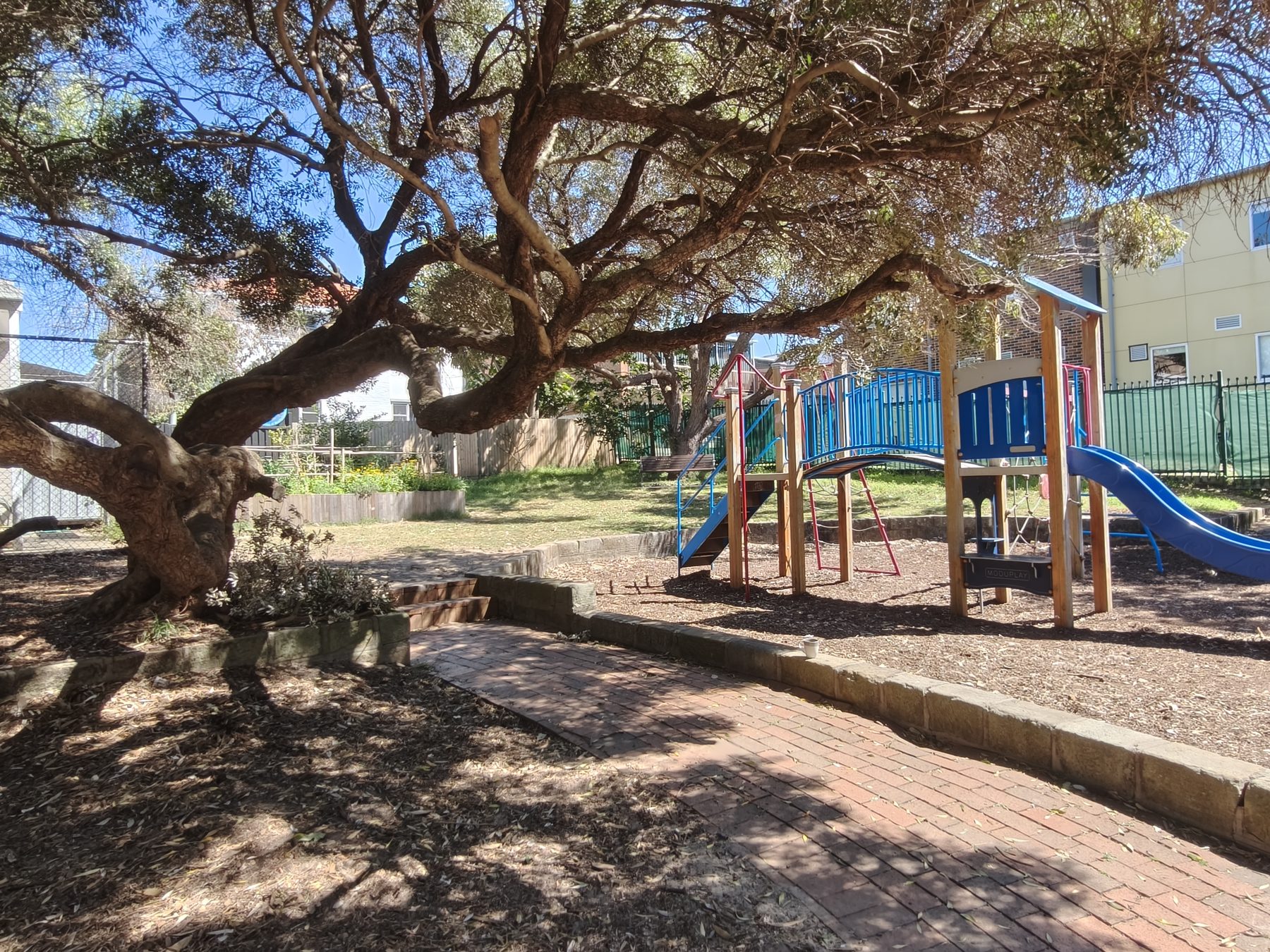
An old, low, spreading tree with gnarled limbs shading the play equipment
The old spreader over the playground. The shape says coastal tea-tree; to be confirmed.
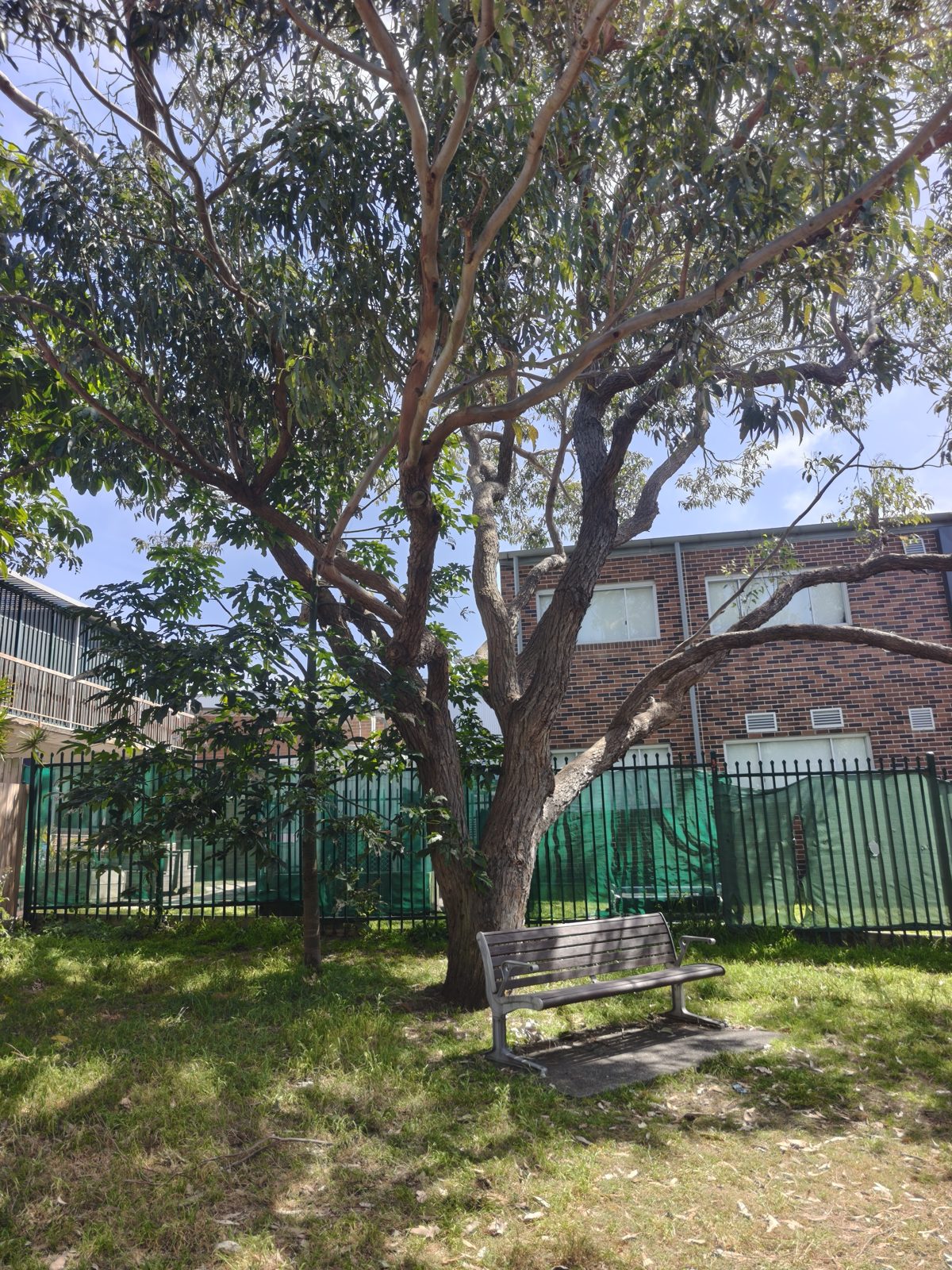
A tall gum with a smooth pale trunk and spreading crown over a park bench, flats behind
The big gum by the bench on the street side. Smooth bark, high crown; the currawongs and cockatoos sit up here.
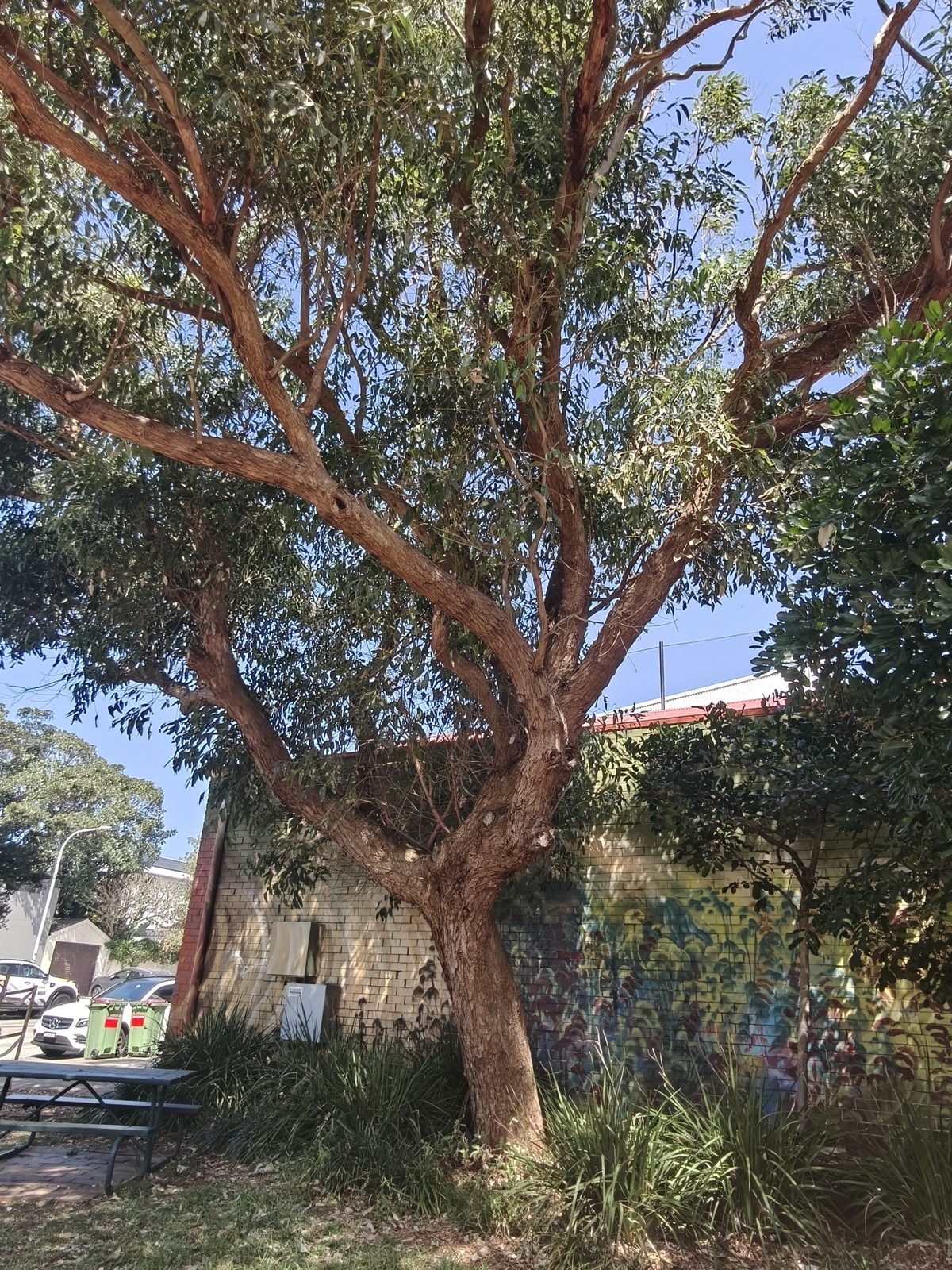
A gum with a smooth orange-brown trunk branching low, in front of the painted mural wall
By the mural. Smooth bark that sheds to orange; probably a smooth-barked apple, the local angophora.
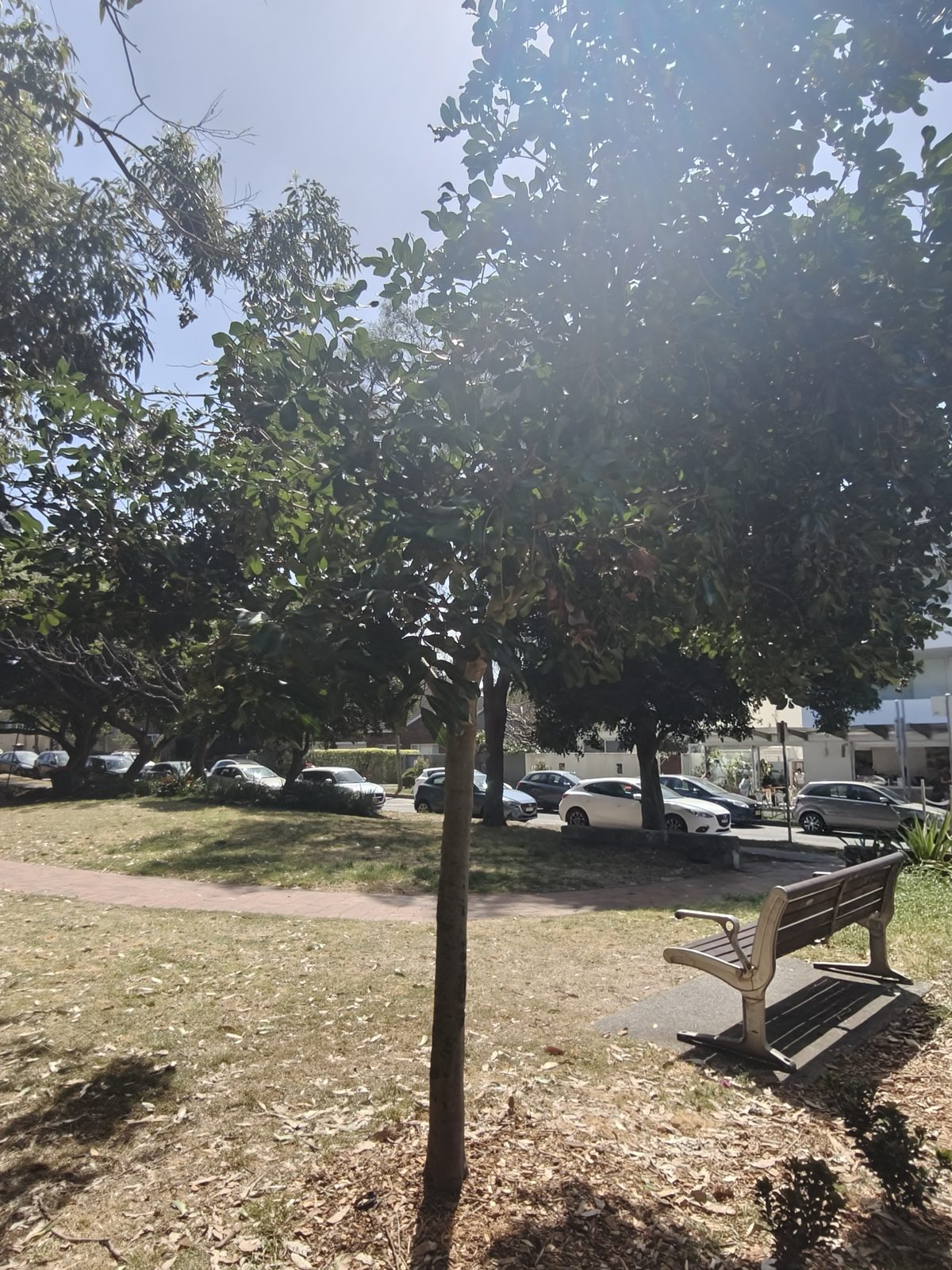
A broad dark-leaved tree casting deep shade over a bench and the path, cars parked beyond
The shade tree on the path. Dense, dark, glossy leaves; likely a fig.
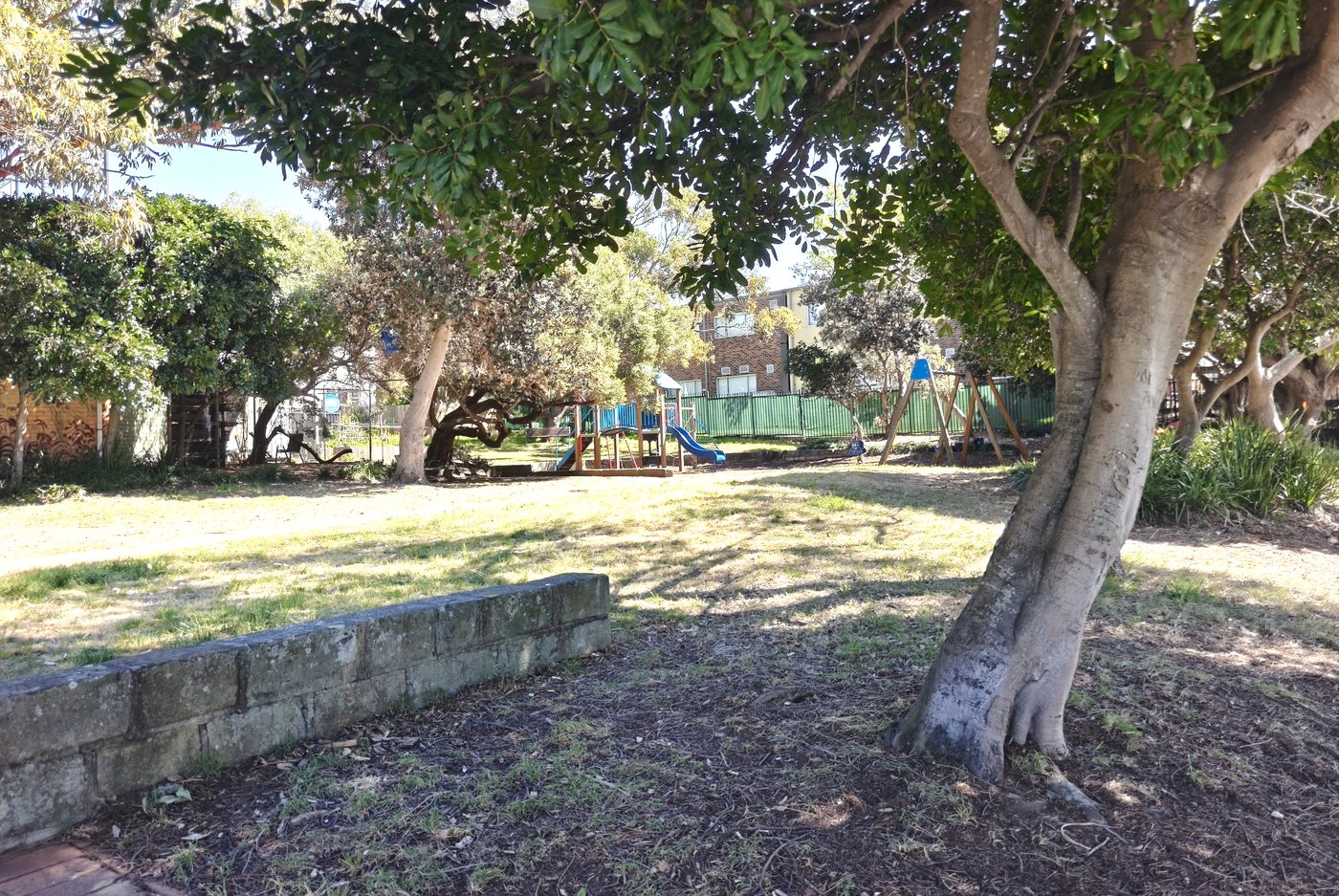
A multi-trunked tree with smooth grey bark beside the sandstone wall, playground behind
By the wall. Smooth grey trunks and glossy leaves; probably a young fig.

Species are best guesses from the photos and will be checked on the survey. If you know one of these trees, tell us.

Underneath

The park used to be trees and mown grass. Council has started planting the ground beneath the big trees, and that layer is what the small birds need: somewhere to forage and hide that a currawong can't follow them into.
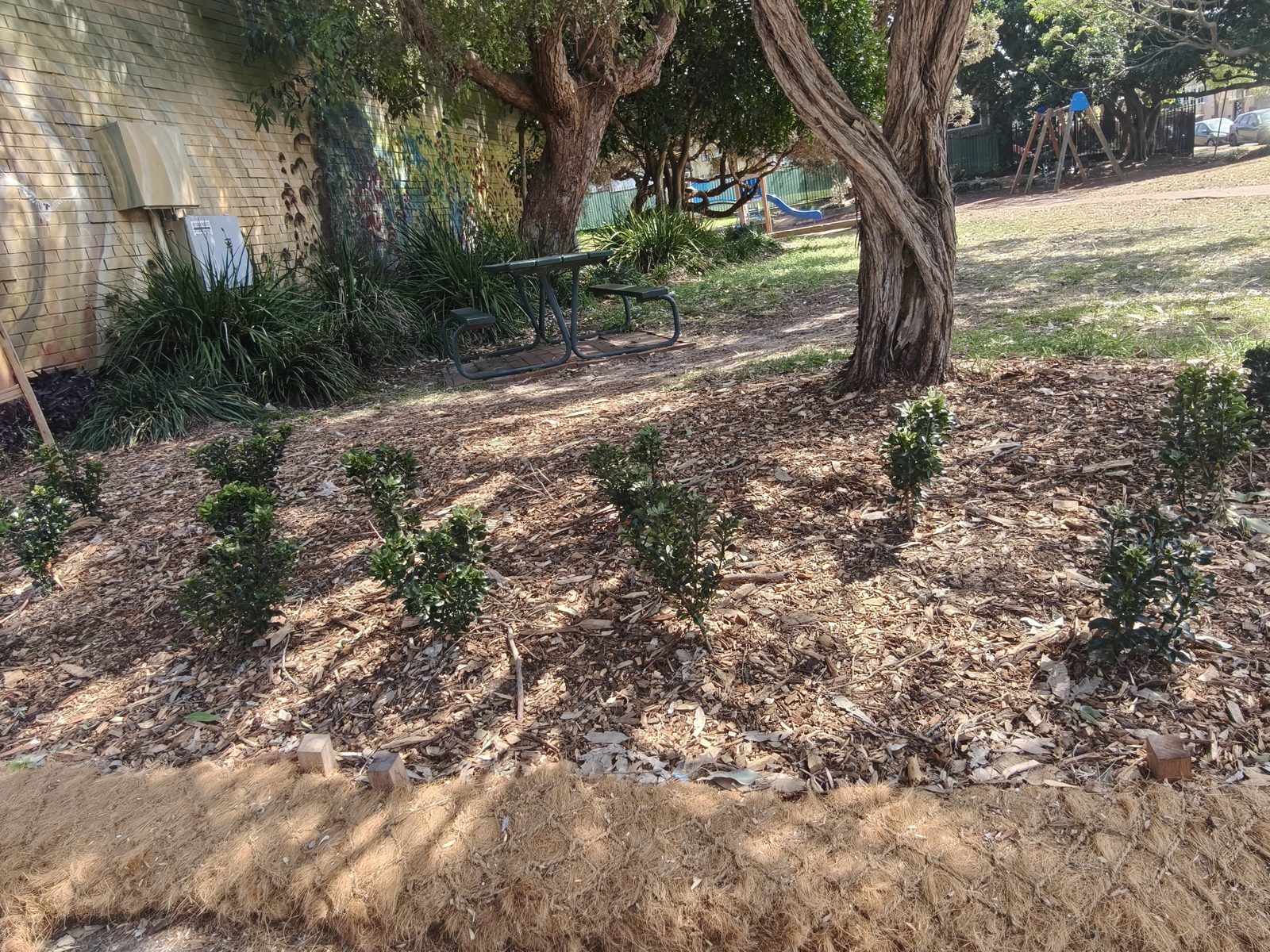
Rows of small newly planted shrubs in fresh mulch under two big trees, a picnic table behind
New plantings under the big trees on the top side, September 2026. Small now; this is what a shrub layer looks like in year one.
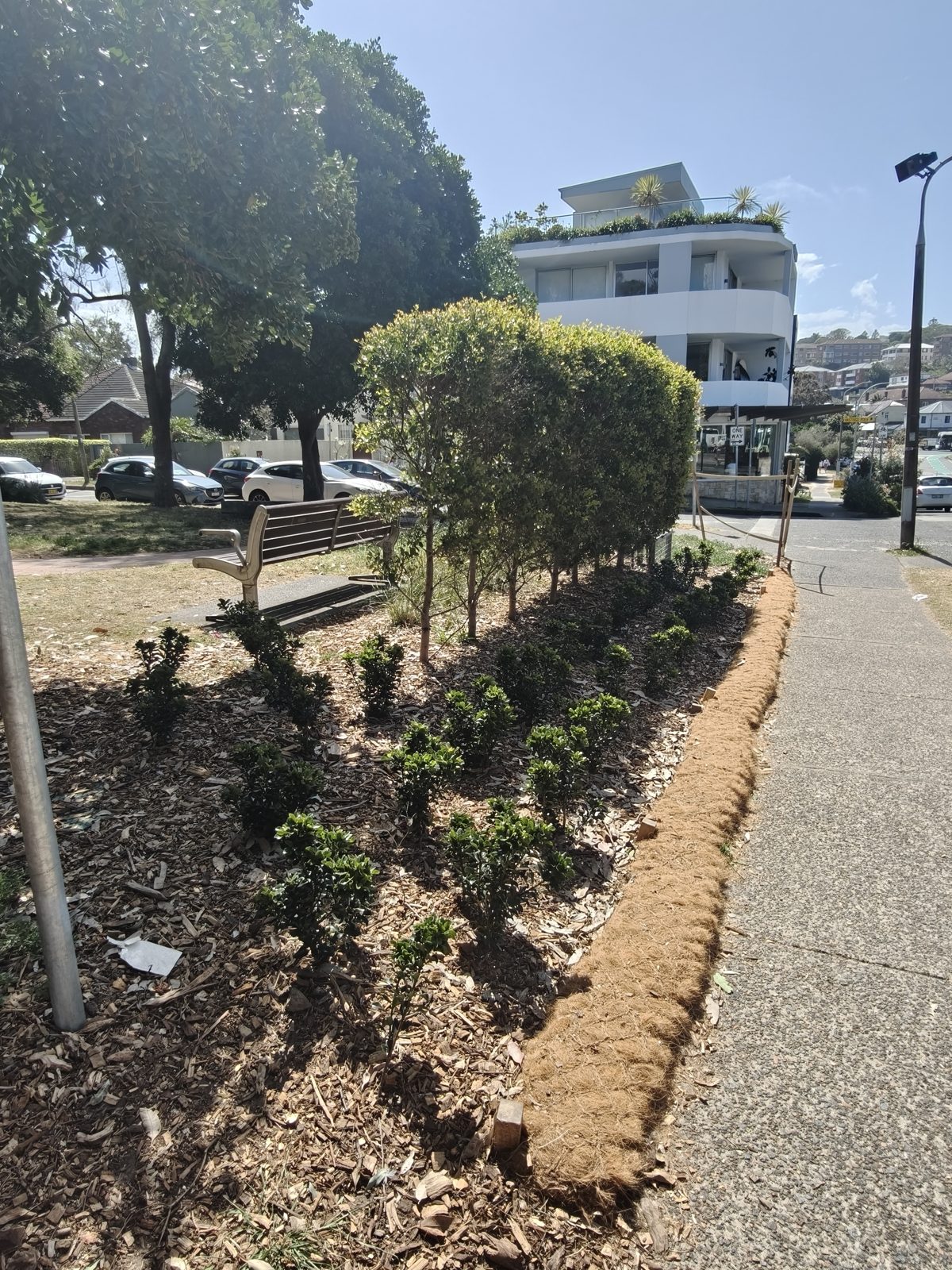
A long freshly mulched bed along the footpath with a row of young clipped shrubs, benches and the street beyond
The new bed along the footpath edge, mulched and edged, with a young hedge going in.
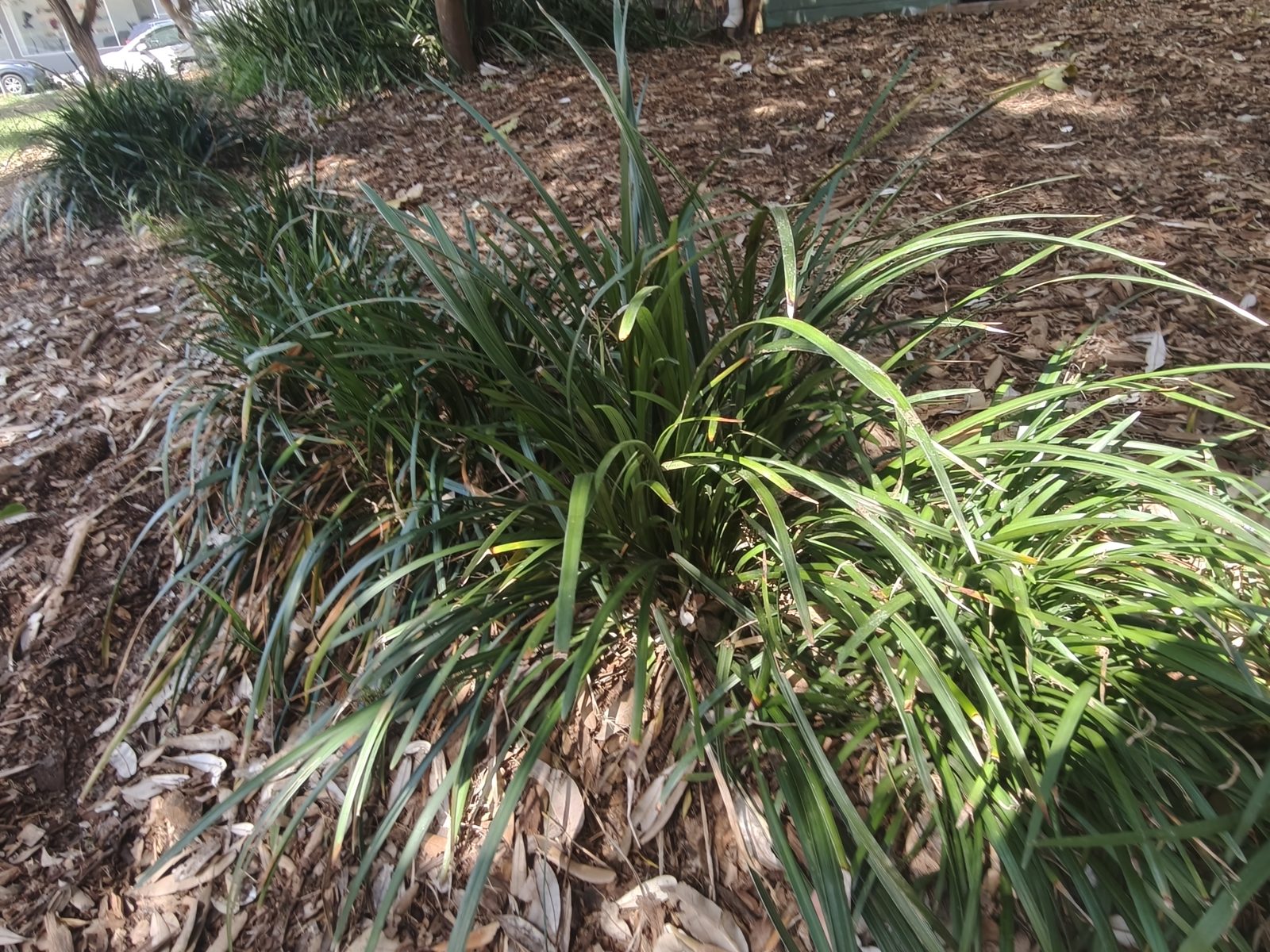
A clump of long strappy green leaves in wood-chip mulch
Strappy natives (lomandra or dianella) in the mulch under the trees. Small birds forage in these.
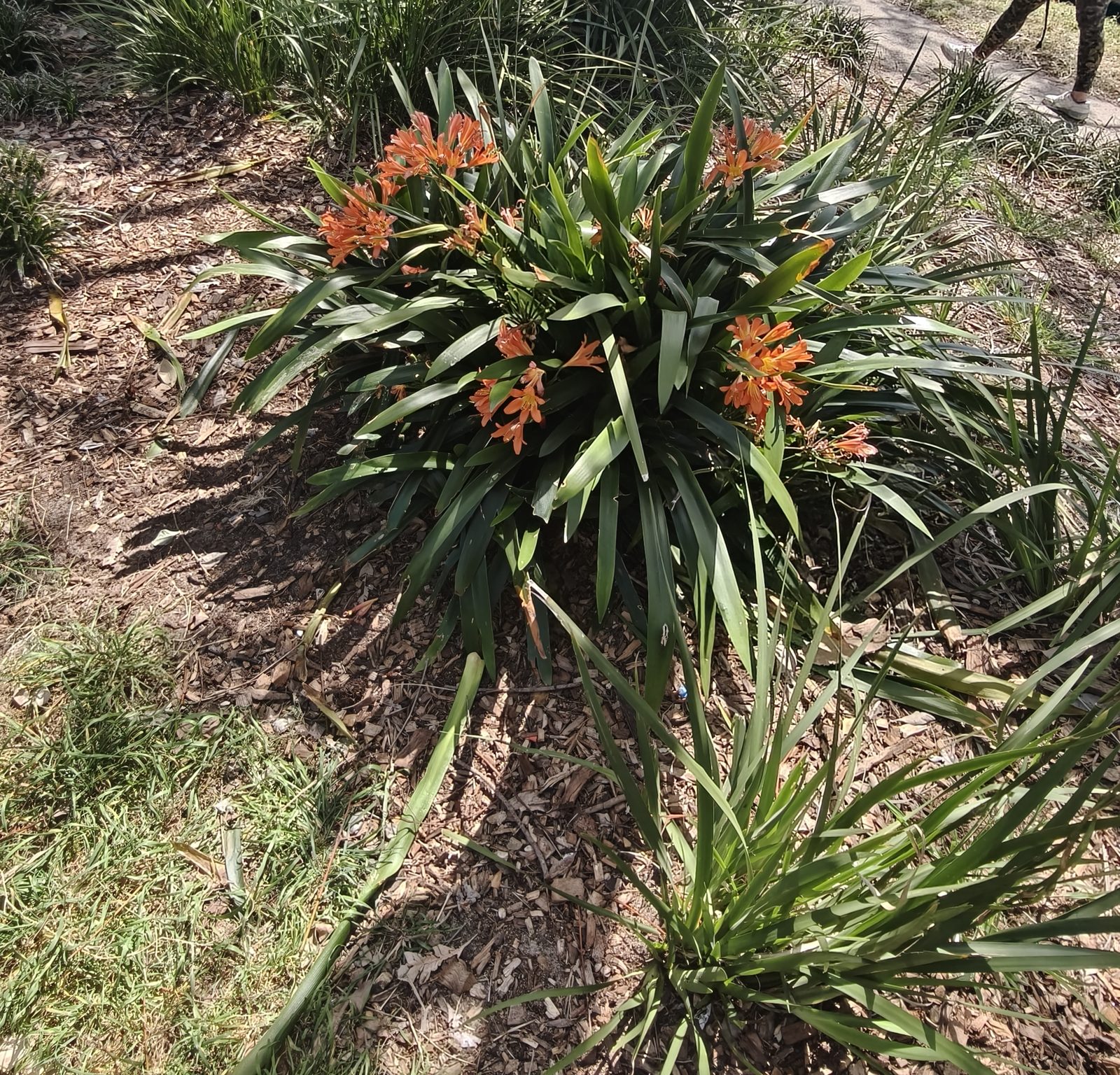
A clump of broad strappy leaves with orange trumpet flowers in mulch under trees
Clivias in flower on the top corner. Not native, but the honeyeaters do not seem to mind.